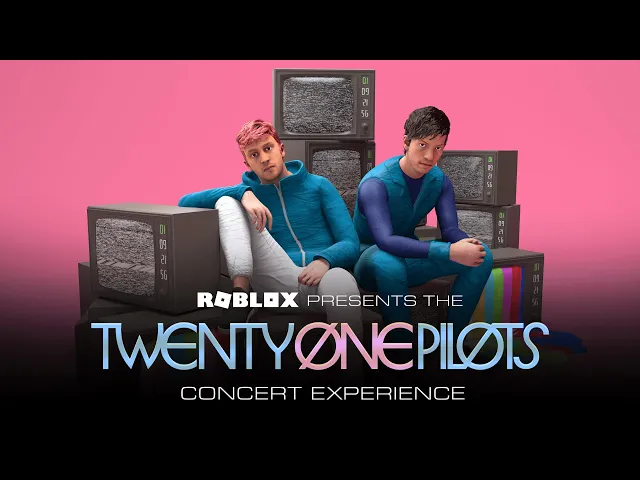
Body → Avatar
Authority → Platform
Labour + Ownership
Resistance → Product
Content, or Fashion?
Legitimacy When the Garment Becomes a File
If a garment never touches skin,
can it still count as fashion?
Digital fashion does not erase legitimacy.
It reorganises it around ownership.
Body → Avatar
Authority → Platform
Labour + Ownership
Resistance → Product
Visibility
“Fashion is the frontier between the self and the not-self.” — Elizabeth Wilson, 2003 (p. 2)
The body does not disappear.
It becomes a screen body.
Digital freedom can still be shaped by platform templates.
“The thin ideal renders the fat body structurally incompatible with the code of fashion.” Volonté (2012, p. 174)
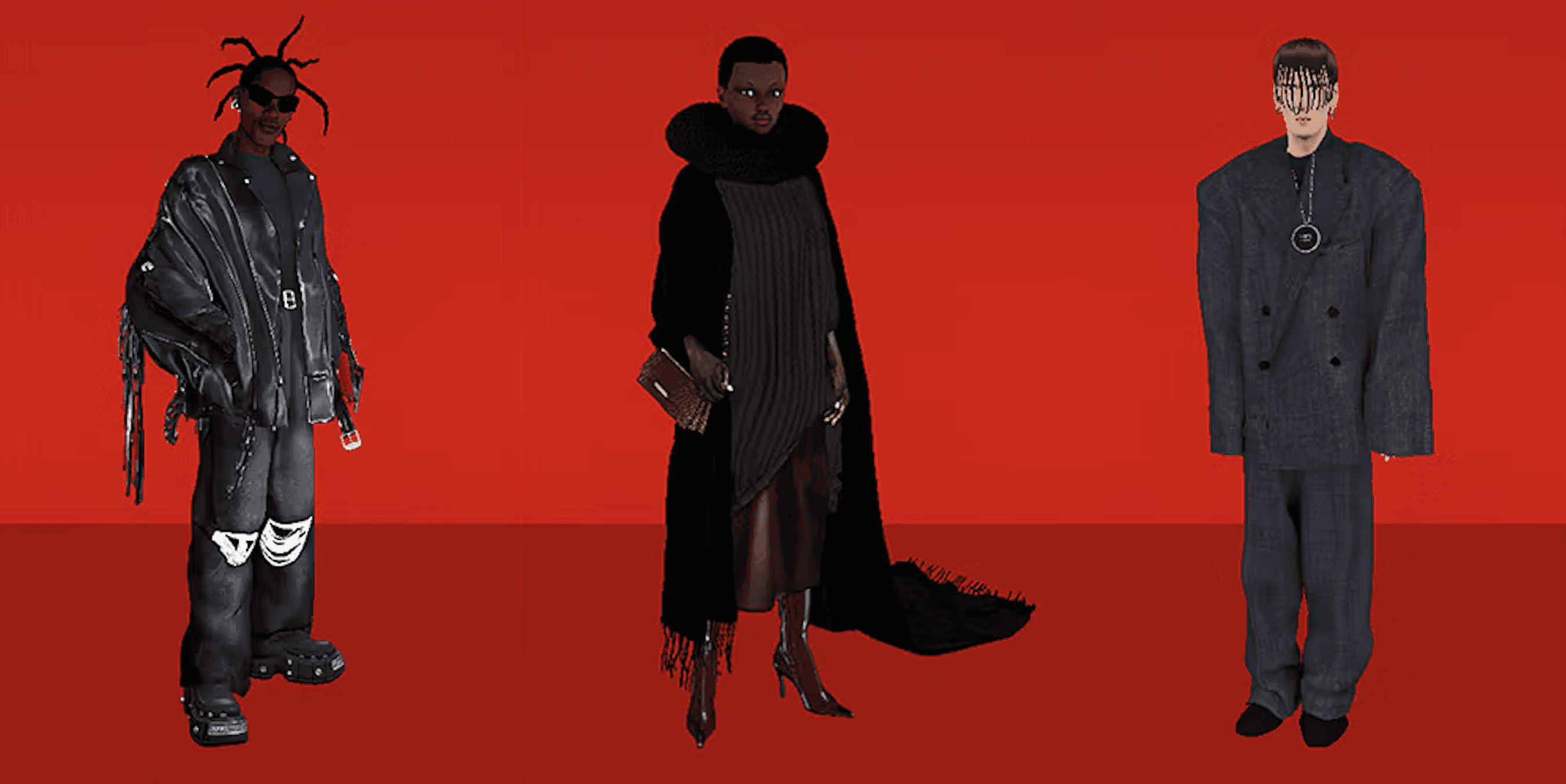
“Taste classifies, and it classifies the classifier.” Bourdieu (1984, p. 6)
“Digital media expands the fashion field into mediatized spaces where the rules of consecration fracture.” Rocamora (2017, p. 512)
Legitimacy may come from:
Online, circulation can produce authority.
Body → Avatar
Authority → Platform
Labour + Ownership
Resistance → Product
2. Authority → Platform
“A definite social relation between men assumes the fantastic form of a relation between things.” Marx (1990, p. 165)
Hidden:
The scarcity that was invented
Visible:
The labour that made it
Labour · Ownership
Body → Avatar
Authority → Platform
Labour + Ownership
Resistance → Product
“Style in subculture is pregnant with significance; it is intentional communication.” — Hebdige (1979, p. 100)
Resistance can still become products.
Resistance → Product
Body → Avatar
Authority → Platform
Labour + Ownership
Resistance → Product
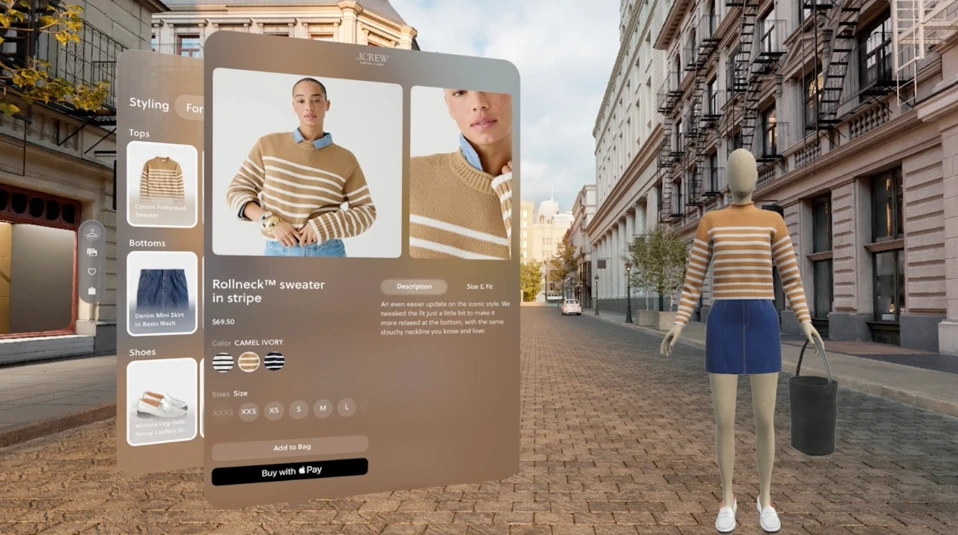


Digital Runways
Meta Avatars Store
Virtual Muses & Campaigns
interactive VR experiences
The garment becomes a file
but legitimacy still has to be made.
- Who controls the platform?
- Which bodies can appear?
- Whose labour is hidden?
- Whose resistance becomes value?